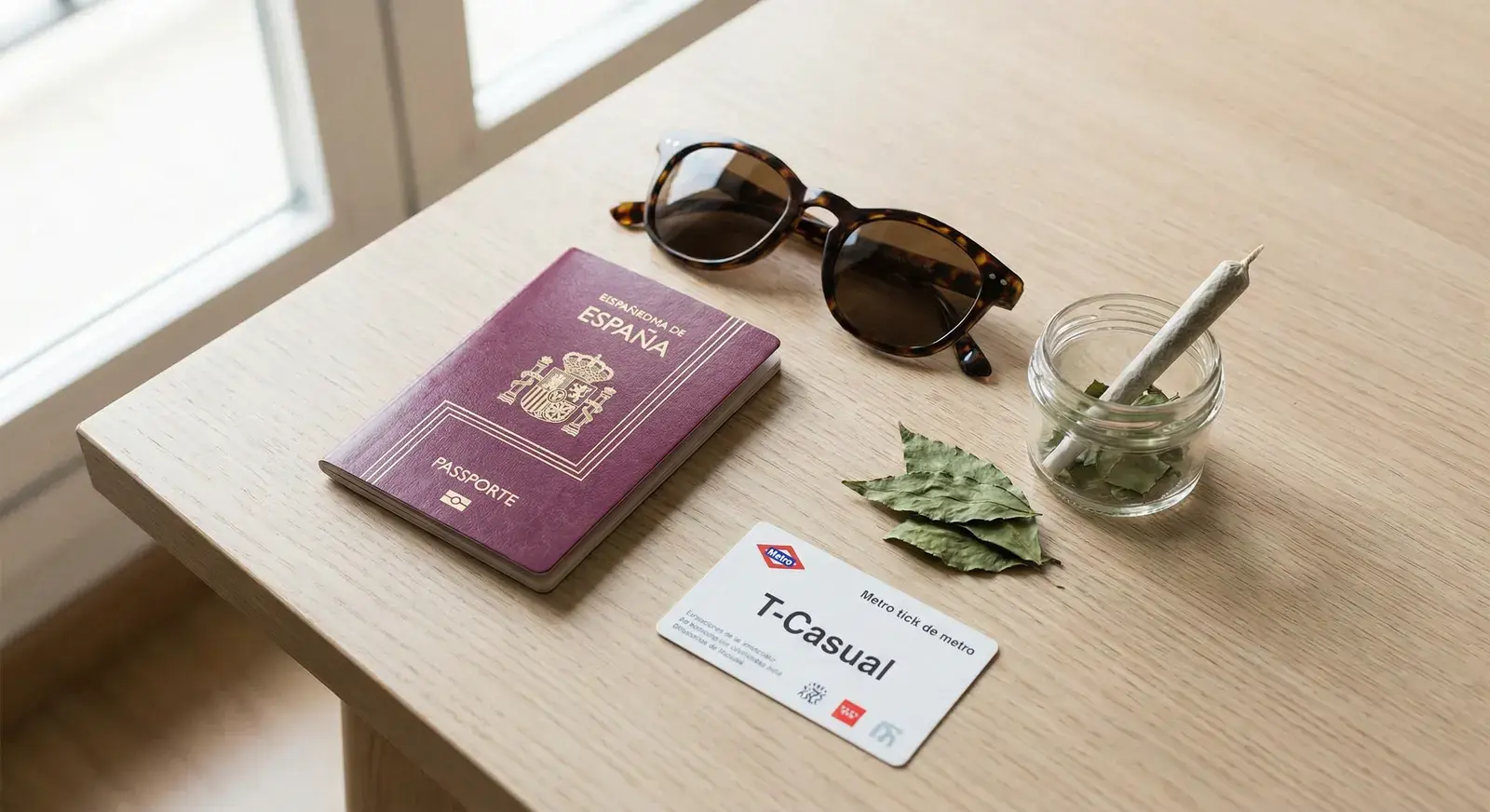
Spain does not have a public legal-retail cannabis system for tourists. That is the first point to understand, and it immediately separates Spain from markets where open commercial sale is allowed.
What Spain has instead is a patchwork of tolerance, administrative risk, private-association logic, and changing enforcement. That is why tourist advice needs to be careful rather than casual.
The Short Version
Public possession and public consumption can lead to administrative sanctions. Private space is treated differently, but that does not create a free-for-all. It creates a legal grey area with boundaries that matter.
Those boundaries matter most when you are unfamiliar with the country, moving through tourist-heavy neighborhoods, and relying on second-hand internet advice.
Can Tourists Use Weed in Spain?
Tourists should not read Spain as a legal retail market. The safest answer is that public use is risky, private-club access depends on membership rules, and tourist-facing shortcuts can create legal and scam exposure.
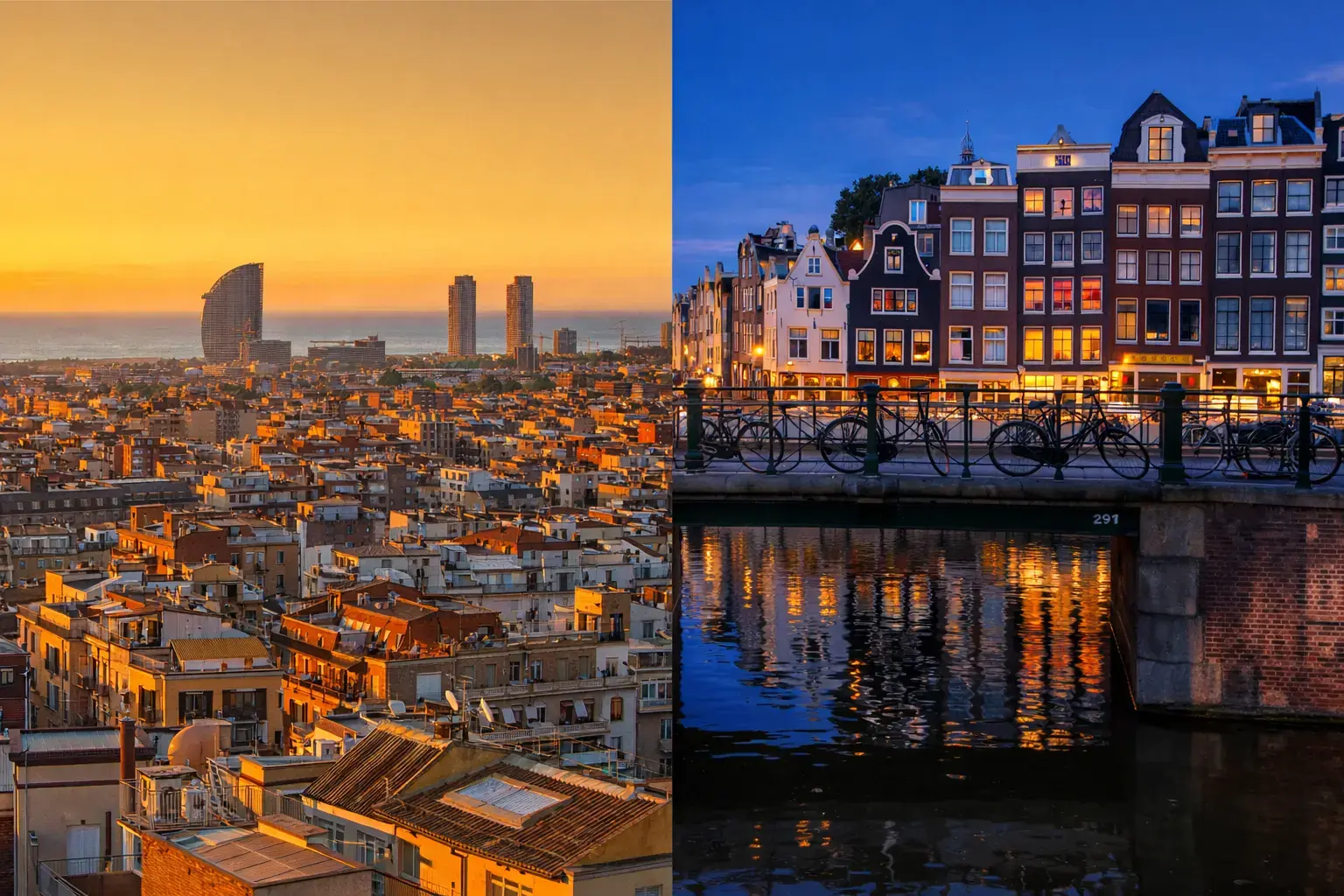
If you are searching for "weed Spain tourists" or "cannabis for tourists Spain," the key point is this: Spain is not Amsterdam. The country has private-association logic, not a public visitor market.
Public Versus Private
The most important legal distinction is where conduct happens.
In public space, the risk is much higher. Streets, beaches, parks, and other visible settings are where tourists most often run into avoidable problems.
In private space, the law has historically treated conduct differently. That is part of the logic behind private clubs and why access, membership, and discretion matter so much.
The biggest tourist mistake is treating those two categories as if they blur together. They do not.
- public visibility increases risk
- private membership is part of the legal posture
- commercial appearance creates a different level of exposure
Where Clubs Fit In
Cannabis Social Clubs are not open retail businesses. They operate through private-association logic, which is exactly why they insist on membership, internal rules, and controlled access.
If a venue behaves like a public dispensary, that is usually a bad sign, not a reassuring one.
That is also why tourist-facing shortcuts are so dangerous. The faster and more openly commercial a process feels, the less it resembles the model clubs are supposed to operate within.
Why the Legal Mood Changed
Visitors should understand that recent enforcement has not moved in a softer direction.
- Supreme Court decisions from 2021 to 2023 sharpened the risk around tourist-facing access and public promotion
- Barcelona moved against roughly 30 clubs in July 2024
- the 2026 municipal ordinance reinforced local pressure around commercial appearance and operating conditions
You do not need to memorize every ruling. You do need to understand the direction: public-facing behavior is not the safe side of the line.
The Practical Rule for Visitors
Do not rely on rumors, forum mythology, or what worked for someone else last summer. Enforcement can vary by city, context, and behavior.
The safest visitor standard is:
- avoid public consumption
- avoid public possession where possible
- avoid promoters, delivery claims, and public handoffs
- treat every club as a private environment with its own rules
Tourist Questions, Answered Fast
Is weed legal for tourists in Spain?
Not in the simple retail sense. Public possession and public consumption can lead to fines, while private spaces and private associations are treated differently. That difference is narrow and context-dependent.
Can tourists join cannabis social clubs in Spain?
Some clubs may consider visitors, but that is club policy, not a public right or a legal guarantee. Serious clubs use controlled membership processes and may refuse anyone.
What is the biggest tourist risk?
The biggest risk is acting publicly: public consumption, street promoters, rushed "access" offers, delivery claims, and assuming that online visibility means legitimacy.
For a tighter Barcelona-specific explanation, read Is Weed Legal in Barcelona in 2026?. For the scam layer, read Barcelona Cannabis Scams. For a first-visit behavior guide, read Your First Time in a Barcelona Cannabis Club.
SCM provides information, not legal advice. The legal landscape for cannabis social clubs in Spain is complex and evolving. Always verify club status independently and consult local legal resources if in doubt.